

What is Telepsychiatry and How Does It Function?
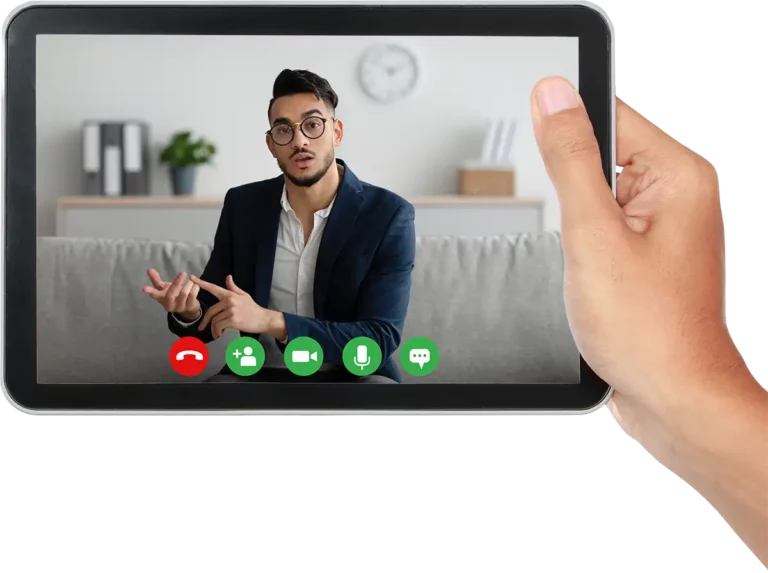
Telepsychiatry identifies the provision of psychiatric solutions through electronic programs, allowing individuals to consult with psychological wellness professionals remotely. With developments in secure video conferencing and mobile wellness engineering, patients is now able to receive detailed intellectual healthcare without visiting a clinic physically. The flexibleness and capability of electronic consultations make intellectual health support available to more individuals than ever before. In fact, studies show that telemedicine staffing may reduce overlooked visits by around 50%, showing its success in improving continuity of care.
Who Can Take advantage of Telepsychiatry ?
Telepsychiatry is perfect for folks who experience barriers to old-fashioned care. This includes people residing in rural or underserved areas, people that have mobility issues, or individuals with tight perform schedules. Research shows that more than 607 of people in distant regions record improved pleasure when working with telepsychiatry companies due to simpler scheduling and reduced travel time.
Is Telepsychiatry as Powerful as In-Person Care?
Numerous reports have established that telepsychiatry is clinically effective. Outcomes for conditions such as for example depression, anxiety, and bipolar disorder are comparable to traditional in-person sessions. Patient adherence and treatment completion charges have also increased in virtual adjustments, with 75% of customers confirming that they feel equally or more comfortable discussing sensitive and painful topics on line compared to face-to-face sessions.
What Are the Critical Benefits for People?
Telepsychiatry offers numerous advantages:
Convenience: Visits could be attended at home, minimizing disruption to daily routines.
Supply: Emotional health companies reach areas with restricted healthcare infrastructure.
Reduced Stigma: Virtual periods give privacy, lowering anxiety about visiting a clinic.
Continuity of Treatment: People keep regular follow-ups, which is important for chronic conditions.
Are There Any Limits?
While telepsychiatry provides broad benefits, it may not be suitable for crisis scenarios or patients requesting intense in-person supervision. Specialized issues like bad net connectivity can also create challenges. But, data suggest that around 85% of telepsychiatry consultations are finished effectively without interruption, focusing the growing reliability of electronic platforms.

How Secure Is Telepsychiatry ?
Individual privacy is a top priority. Telepsychiatry platforms use encryption and stick to healthcare privacy rules to guard painful and sensitive medical information. Surveys suggest that 92% of patients feel confident that their information remains confidential all through virtual sessions.
What Does the Potential Hold?
The ownership of telepsychiatry is predicted to develop significantly. New information shows an annual raise of 20–25% in telepsychiatry consumption across both public and private healthcare sectors. Integration with wearable engineering and AI-driven assessments is estimated to help expand personalize treatment and enhance monitoring of mental health trends.
Conclusion
Telepsychiatry represents a paradigm change in intellectual healthcare, linking the gap between people and providers. By increasing supply, comfort, and individual engagement, it handles many traditional barriers while sustaining large criteria of care. As engineering remains to advance, telepsychiatry is set becoming a cornerstone of contemporary psychological practice.